
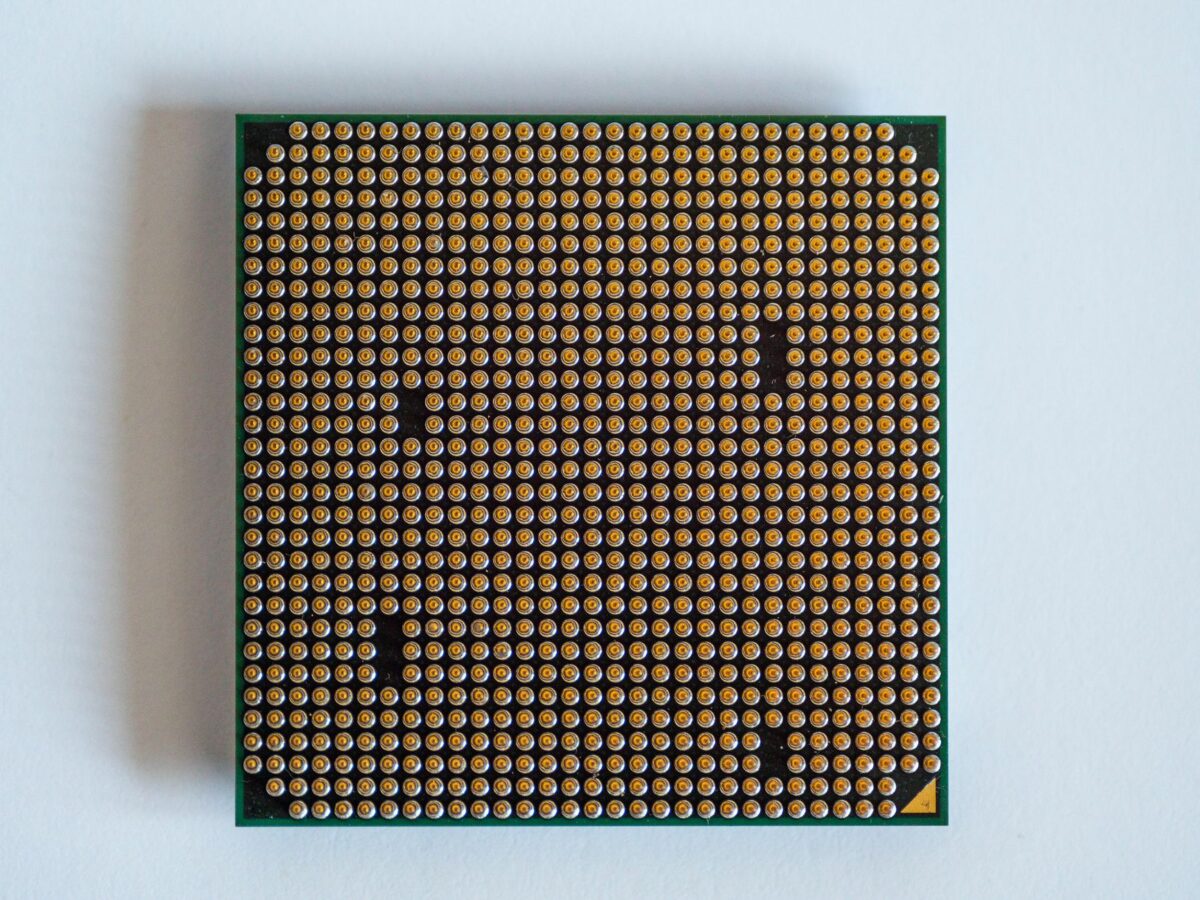
Polysilicon is the starting material for every semiconductor wafer and every silicon solar cell made anywhere. China makes almost all of it. The US made roughly half the world’s supply in 2005, dropping to under 2 per cent by 2024.
President Trump moved on Thursday to change that. A proclamation issued on 6 August sets minimum import prices of $21 a kilogram for polysilicon, $100 a kilogram for ingots and wafers, 22 cents a watt for solar cells and 38 cents a watt for modules, and adds a 15 per cent duty on downstream products from 4 December.
Those new floors sit several times above what the goods currently fetch on world markets. Importers who cannot certify they will sell at or above the floor pay a duty equal to the entire floor price.
Global polysilicon output has grown more than 270 per cent since 2020. Inventories hit 400,000 tonnes at the end of 2024. Prices have run below cash cost for most Western producers for two years. Hemlock Semiconductor in Michigan is close to the last American producer standing.
Price floors aren’t new. Brussels ran one on Chinese modules from 2013 to 2018. Washington uses them on Mexican tomatoes and Russian uranium. The steel Trigger Price Mechanism of 1978 and the 1986 semiconductor arrangement with Japan did much the same thing.
Using Section 232 to implement the floor rather than antidumping and countervailing duties changes three things. AD/CVD requires an injury finding, targets named countries and named exporters, and comes up for review every five years. This applies to everyone at once, needs no injury case, and has no expiry date. It also replaces the safeguard on solar cells that lapsed in February, and safeguards carry compensation obligations to trading partners that Section 232 does not.
Enforcing this with certification is more aggressive than usual. Certification runs to the first arm’s-length sale inside the United States, not the value declared at the border, which is meant to stop importers using transfer pricing, routing goods through affiliates at artificial prices. If the paperwork is wrong CBP will bar the importer — and its affiliates — from bringing in polysilicon permanently.
But solar is not why this order exists in this form.
An earlier proclamation from January found that imported processed critical minerals threatened national security, then imposed nothing. It directed Commerce and USTR to negotiate agreements that would “consider price floors,” and held minimum import prices in reserve. A progress report was due 13 July. It has not been made public and neither has the investigation behind it.
At the February ministerial that drew 54 countries to the State Department, Vice-President JD Vance proposed a preferential trade zone with reference prices at every stage of production, held up by adjustable tariffs. Greer announced action plans with Mexico, and later with Brussels and Tokyo. Trump and Australian Prime Minister Anthony Albanese signed a deal on 19 July committing $1bn apiece and a price floor.
Joining the dots, the new EO is that mechanism, running for the first time on a smaller scale. There are few tariff lines, few producers, units rather than bulk, and an expired safeguard needing replacement. Rare earths offer none of that. There is no reliable published price for oxide, metal, alloy or magnet.
However, there’s an onshoring wrinkle that adds to the equation.
It’s well understood that polysilicon plants cannot survive on chip-grade output alone. That is just 2.4 per cent of global production. Volume in the form of solar is needed to keep operations viable. The remedy then makes modules dearer, which slows US solar installation, which shrinks the volume the plants need.
The bigger gap is wafers. America assembles modules, makes a few cells and produces almost no ingots or wafers. That capacity largely sits in China. New plants take four years to reach commercial output. Companies approved for tariff relief have until January 2029 just to break ground.
Financing is the other problem. A wafer plant needs twenty years of price visibility. What Commerce is offering can be withdrawn by the next proclamation, and the relief itself is discretionary, auditable, revocable and in fraud cases clawed back retroactively. And to cap it off, there is no export benefit either, so American capacity is limited to American demand, which the order is busy suppressing.
South East Asia is squeezed out entirely, and not by the tariff. Duty drawback requires both partner-country origin and polysilicon content sourced wholly from partner countries. No ASEAN state is on the list. A Vietnamese cell maker buying Malaysian polysilicon will fail the test, because Malaysia is not listed either. Anything covered by an existing dumping order is excluded regardless. Those modules will go to Europe, India and the Gulf instead, at low prices, which makes it harder rather than easier for Brussels to adopt a matching floor.
Customs has four months to work out something more basic. Modules get sold inside engineering and construction packages worth hundreds of millions. Nobody yet knows what the first arm’s-length price of a module inside one of those contracts is, and importers who guess wrong lose their business.
And in that regard, we might be moving closer to the steel-content-in-soup-cans debacle, which has pushed up not just the price of steel, but the very goods in tin cans. These initiatives may be designed to reshore manufacturing, but we haven’t seen clear evidence that it’s working. Given the billions that AI companies — the largest ultimate source of demand for wafer — have seemingly unlimited capital and the ability to bid up prices, let’s assume for now they will keep bidding up.