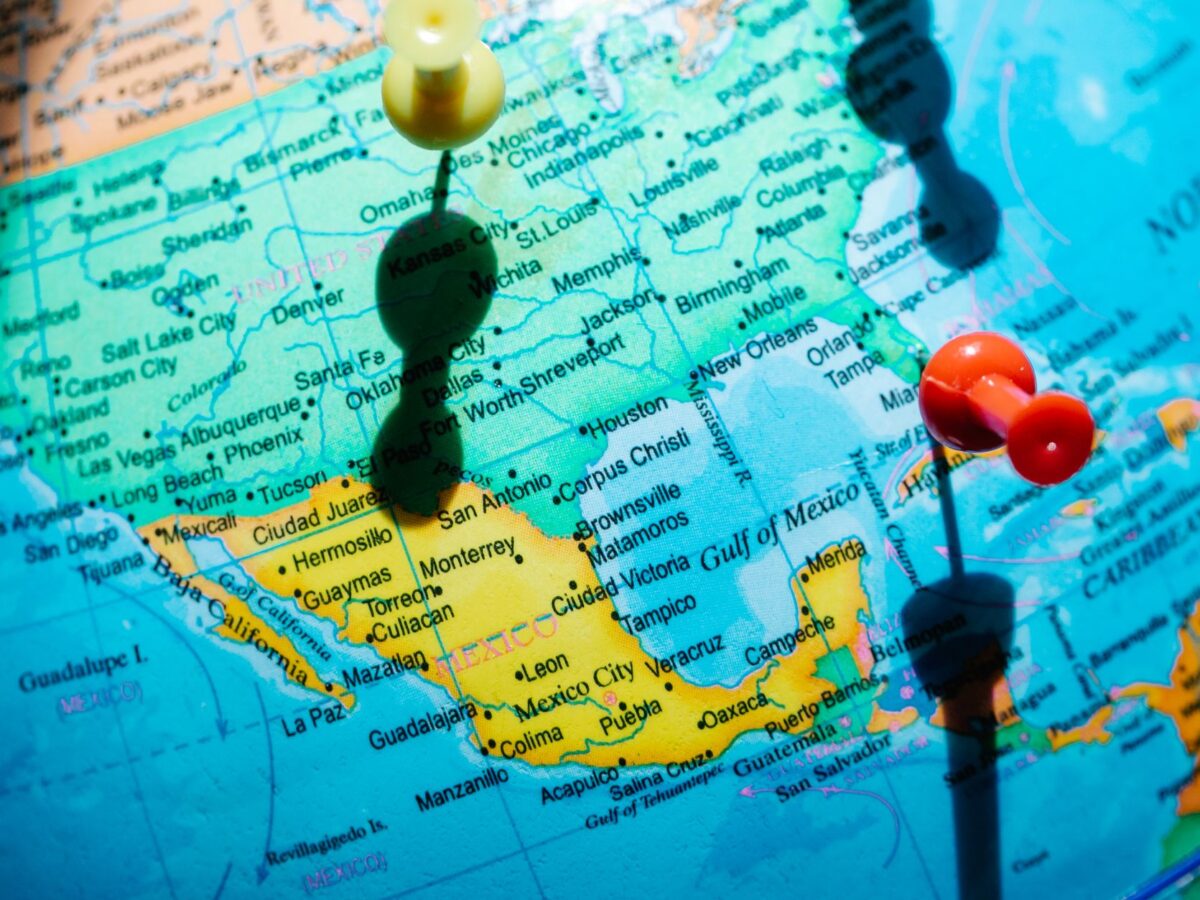

Despite booming server exports to the US, Mexico’s data processing sector generates minimal domestic value added because current USMCA rules of origin impose almost no pressure on manufacturers to source inputs regionally.

Author Archives: PolicyTrader

Posted inThink Tank News
PIIE: How governments buy a trade surplus
Fiscal and exchange rate policies are the primary drivers of trade imbalances, with governments able to directly influence their current account positions through these levers.

Posted inAmericas
Brasília answers Washington as 25% tariffs take effect
Brazil’s rebuttal disputes every part of the Section 301 finding, but its stated remedies run through a dispute system that cannot deliver. Brazil has published a heading-by-heading rebuttal of the United States case against it and begun preparing countermeasures, after Washington imposed 25 per cent tariffs on Brazilian goods at the close of a year-long […]

Posted inCommodities
War chokes fertiliser trade; export curbs hit quarter of global supply
WTO finds shipments through Hormuz still near zero five months on, with 18 economies, seven of them least developed, most exposed. Fertiliser shipments out of the Persian Gulf have been close to zero since the Strait of Hormuz closed in the opening weeks of the conflict, and had not resumed on any stable basis by […]
Posted inSEA and Regions
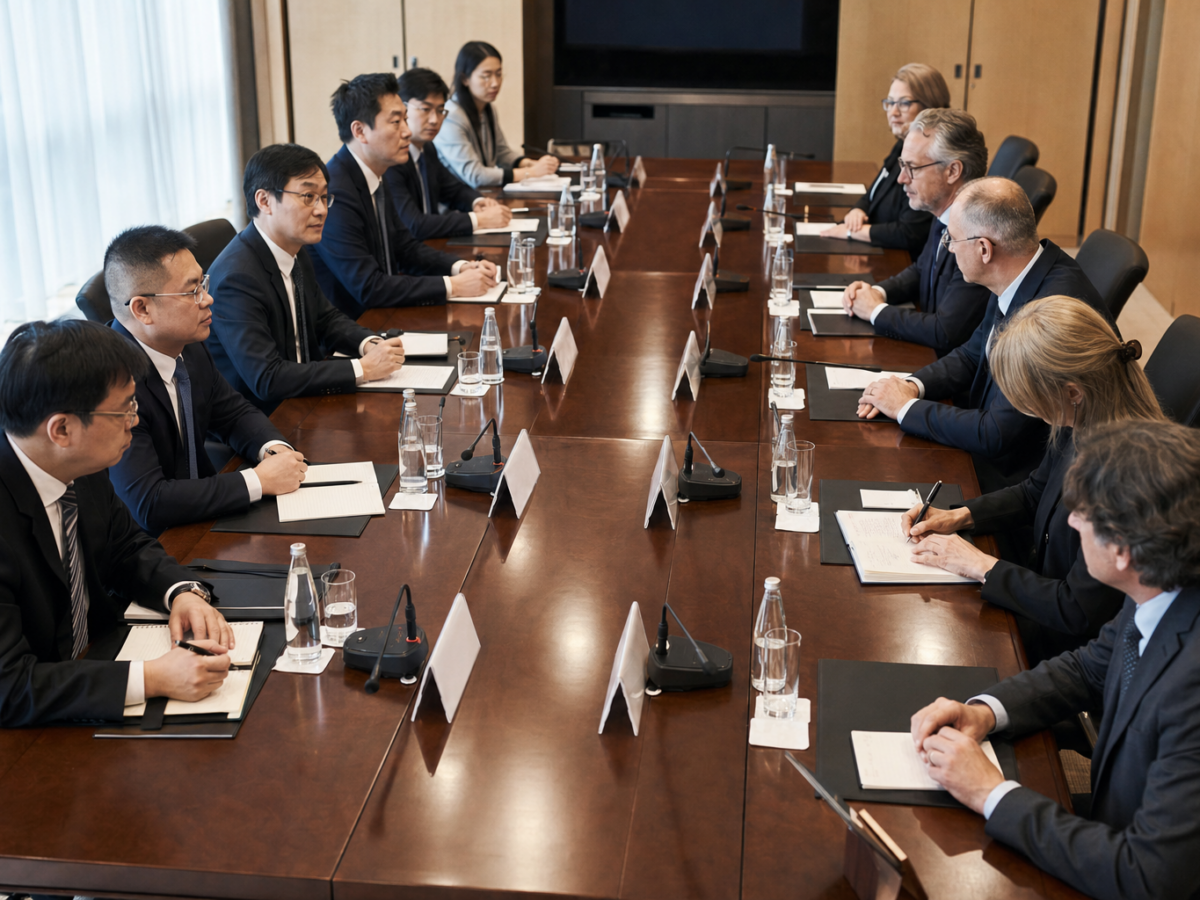
Indonesia’s parliament clears Russian FTA and three ASEAN deals
Jakarta will bring the agreements into force by presidential regulation, a lighter instrument than the statutes used for RCEP and the Australia pact. A parliamentary commission in Jakarta approved the ratification of four trade agreements on Tuesday, clearing the way for Indonesia to bring into force a free trade deal with the five-member Eurasian Economic […]
Posted inTrade Policy
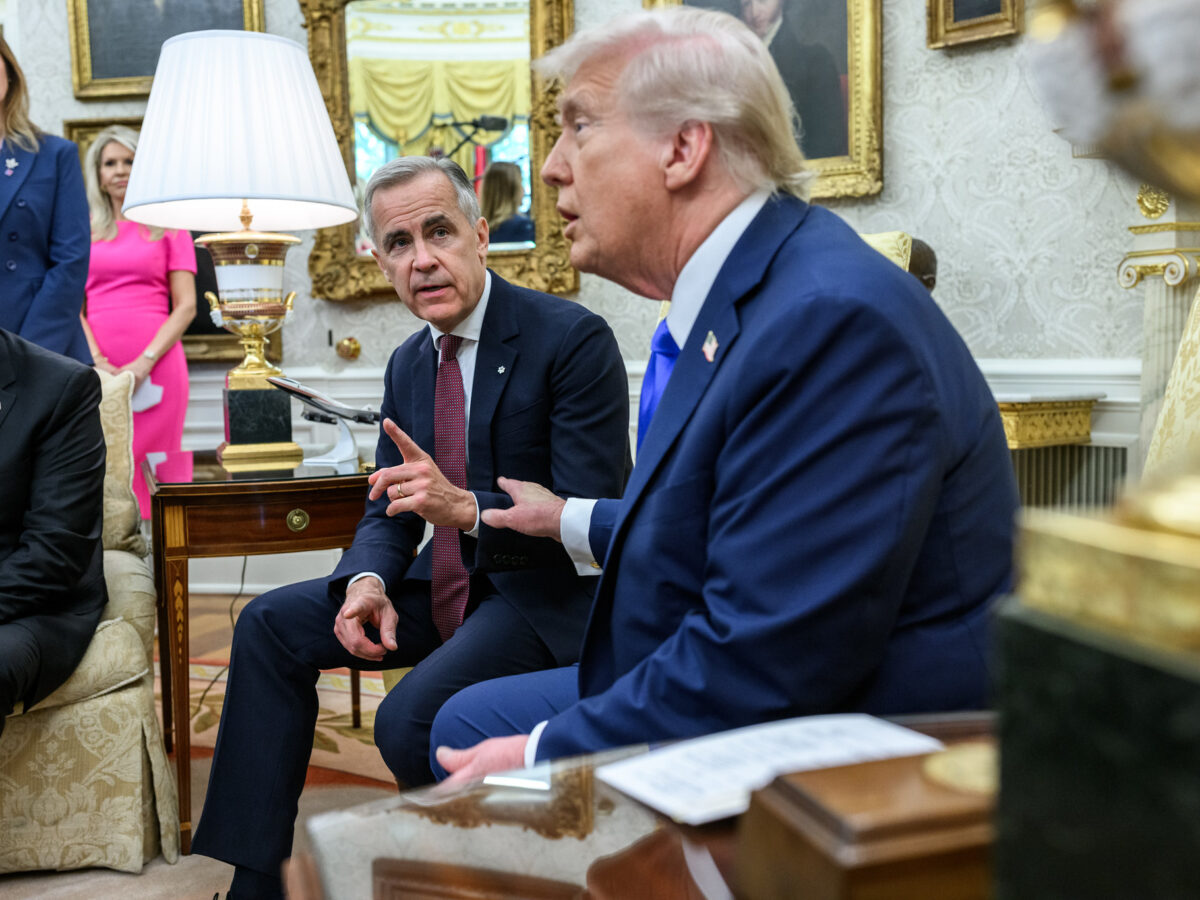
Trump revives 1930 tariff law in strike on Canadian goods
Canada’s most senior trade officials briefed business and labour leaders in Ottawa this week on Washington’s decision to invoke a tariff power that has lain unused since the 1940s, opening a new front in a dispute that has already outlasted the North American trade pact’s renewal deadline.
Posted inThink Tank News
Atlantic Council: With US sanctions lifted, is Iranian crude back?
General License X creates a meaningful easing of sanctions on Iranian oil sales, but significant infrastructure damage, financial system barriers, and uncertain buyer demand mean a full recovery in Iranian crude exports remains far from guaranteed.
Posted inThink Tank News
CSIS: USMCA non-renewal imposes costs
The US decision not to renew the USMCA for 16 years triggers an annual review process running to 2036, leaving bilateral negotiations without a clear timeline and businesses across North America facing prolonged uncertainty.
Posted inThink Tank News
Brookings: Lessons from the first USMCA review mechanism
Although the first USMCA review successfully followed the procedures established by the agreement and by Congress, it left important opportunities for modernisation, increased certainty, and renewed political legitimacy only partially realised by becoming entangled in a broader set of negotiations beyond the agreement itself.
Posted inThink Tank News
ASPI: Nakamal not quite the deal Australia wanted
The finalised Australia-Vanuatu Nakamal Agreement, while securing some important commitments, appears to be a watered-down version of the deal Australia originally sought, with weaker provisions on third-party security arrangements and policing.