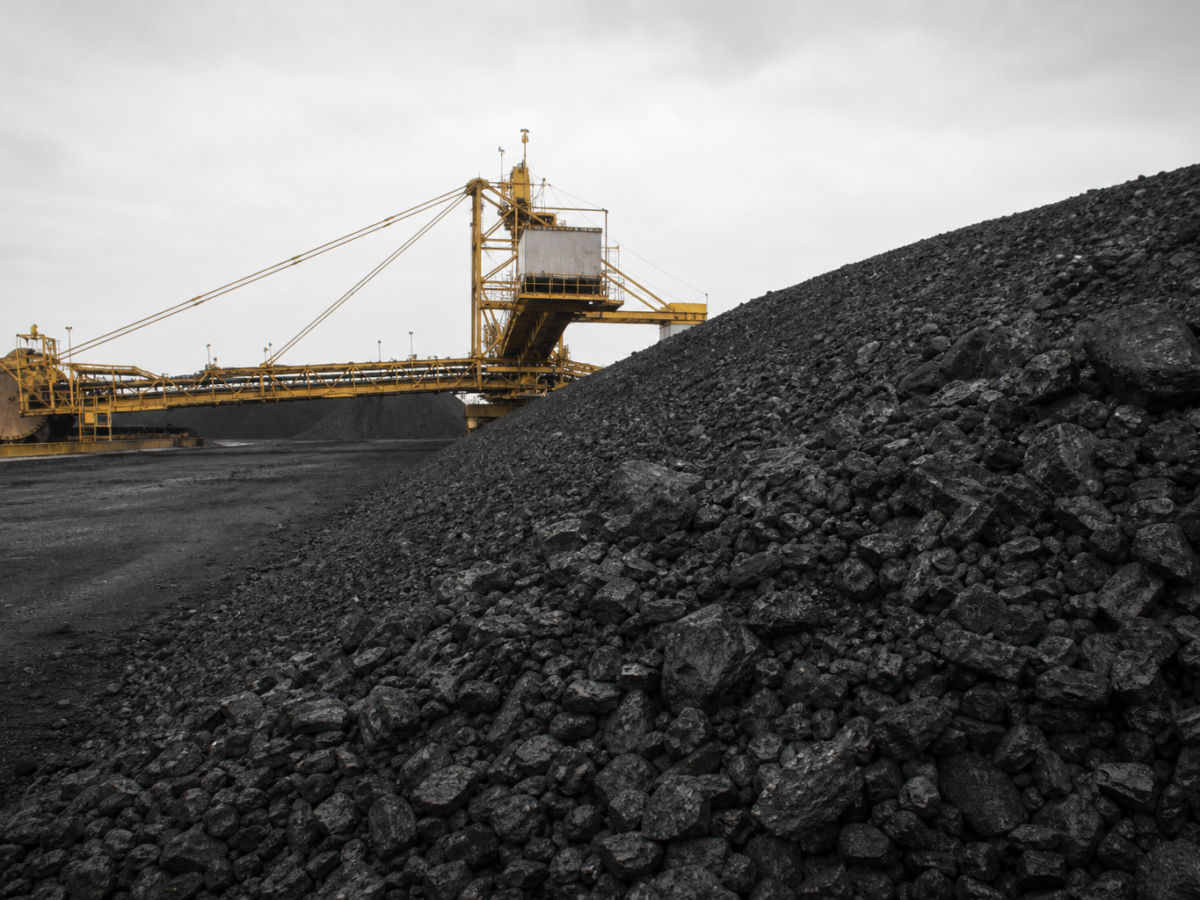

The Quad’s critical minerals framework correctly identifies supply-chain vulnerabilities but remains too focused on extraction rather than the processing capacity, market mechanisms, and industrial coordination that underpinned China’s strategic dominance.
Category: Analysis

Posted inThink Tank News
Atlantic Council: What the latest US sanctions bill means for Russia
The bipartisan Sanctioning Russia Act, which would impose sweeping new sanctions and tariffs on major buyers of Russian oil, carries significant risks if implemented without careful calibration, particularly regarding its effects on China, India, and Iran.
Posted inThink Tank News
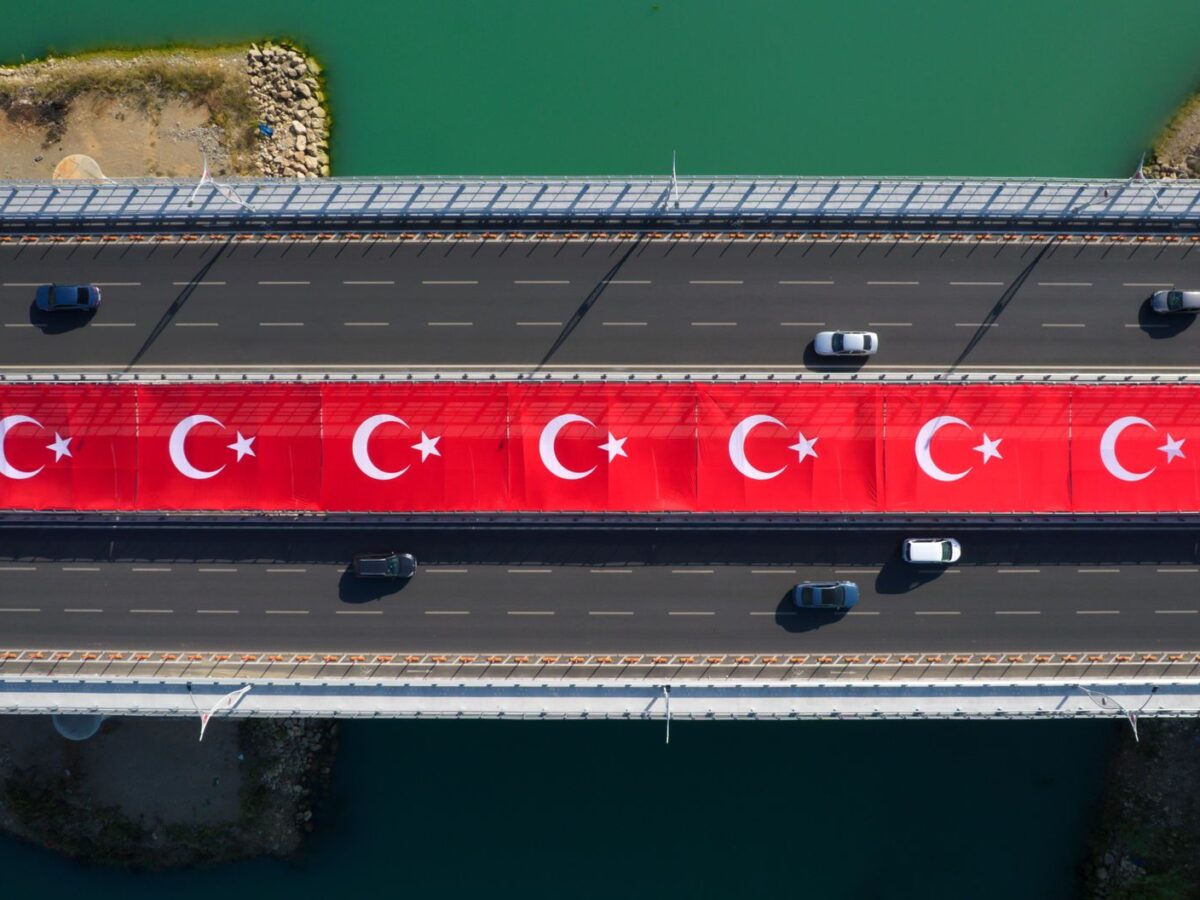
Atlantic Council: Ukraine-Turkey free trade agreement poised to enter into force
The ratification of the Ukraine-Turkey free trade agreement creates a framework that could support Ukraine’s reconstruction, deepen integration into European supply chains, and strengthen a broader strategic partnership between Kyiv and Ankara.

Posted inThink Tank News
ISEAS: Three views on the US-Indonesia reciprocal trade agreement
The US-Indonesia Agreement on Reciprocal Trade is widely viewed as asymmetrical, with Indonesia accepting broad commitments that could constrain its future policy space in industrial policy, digital regulation, and strategic trade governance in exchange for protected access to the US market.
Posted inThink Tank News
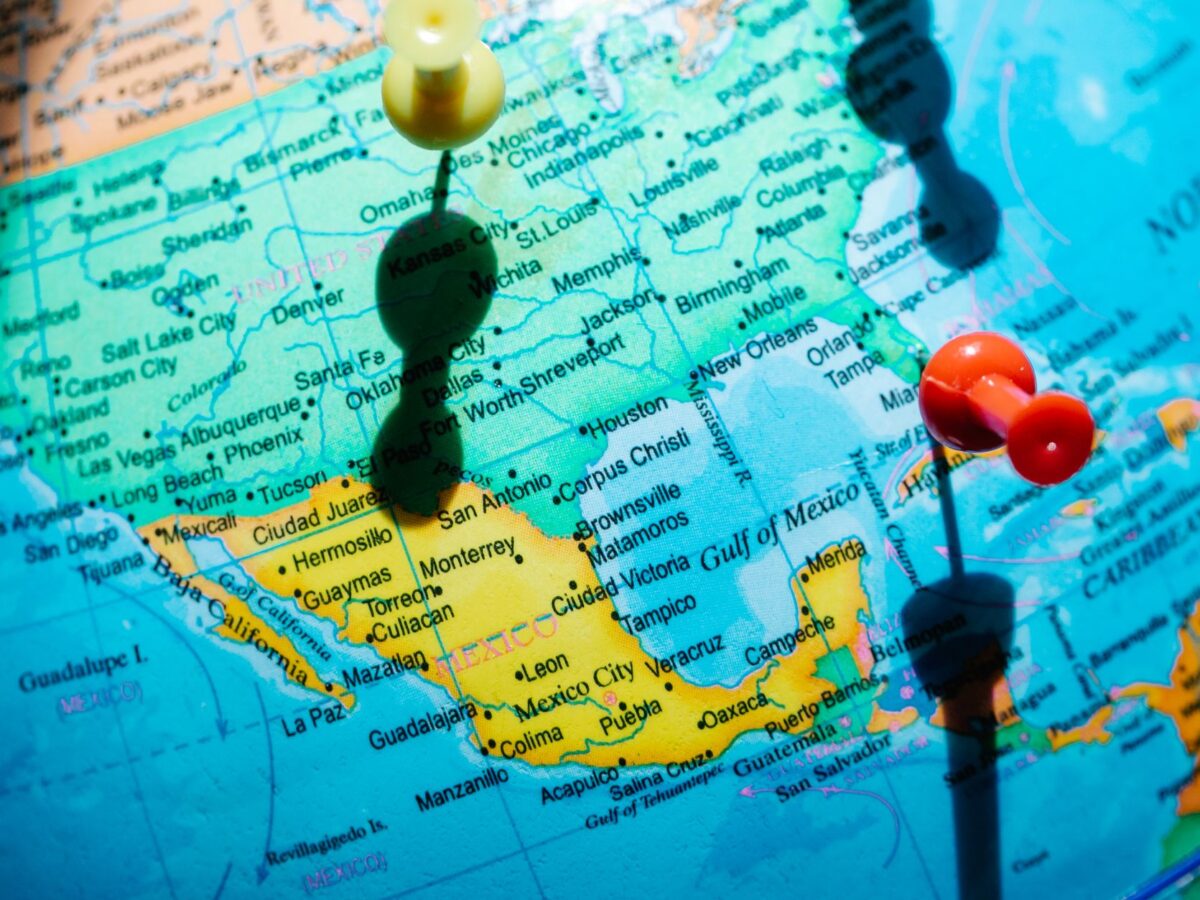
Atlantic Council: Mexico can turn USMCA pressure into opportunity
Despite booming server exports to the US, Mexico’s data processing sector generates minimal domestic value added because current USMCA rules of origin impose almost no pressure on manufacturers to source inputs regionally.

Posted inThink Tank News
PIIE: How governments buy a trade surplus
Fiscal and exchange rate policies are the primary drivers of trade imbalances, with governments able to directly influence their current account positions through these levers.

Posted inCommodities
War chokes fertiliser trade; export curbs hit quarter of global supply
WTO finds shipments through Hormuz still near zero five months on, with 18 economies, seven of them least developed, most exposed. Fertiliser shipments out of the Persian Gulf have been close to zero since the Strait of Hormuz closed in the opening weeks of the conflict, and had not resumed on any stable basis by […]
Posted inThink Tank News
Atlantic Council: With US sanctions lifted, is Iranian crude back?
General License X creates a meaningful easing of sanctions on Iranian oil sales, but significant infrastructure damage, financial system barriers, and uncertain buyer demand mean a full recovery in Iranian crude exports remains far from guaranteed.
Posted inThink Tank News
CSIS: USMCA non-renewal imposes costs
The US decision not to renew the USMCA for 16 years triggers an annual review process running to 2036, leaving bilateral negotiations without a clear timeline and businesses across North America facing prolonged uncertainty.
Posted inThink Tank News
Brookings: Lessons from the first USMCA review mechanism
Although the first USMCA review successfully followed the procedures established by the agreement and by Congress, it left important opportunities for modernisation, increased certainty, and renewed political legitimacy only partially realised by becoming entangled in a broader set of negotiations beyond the agreement itself.